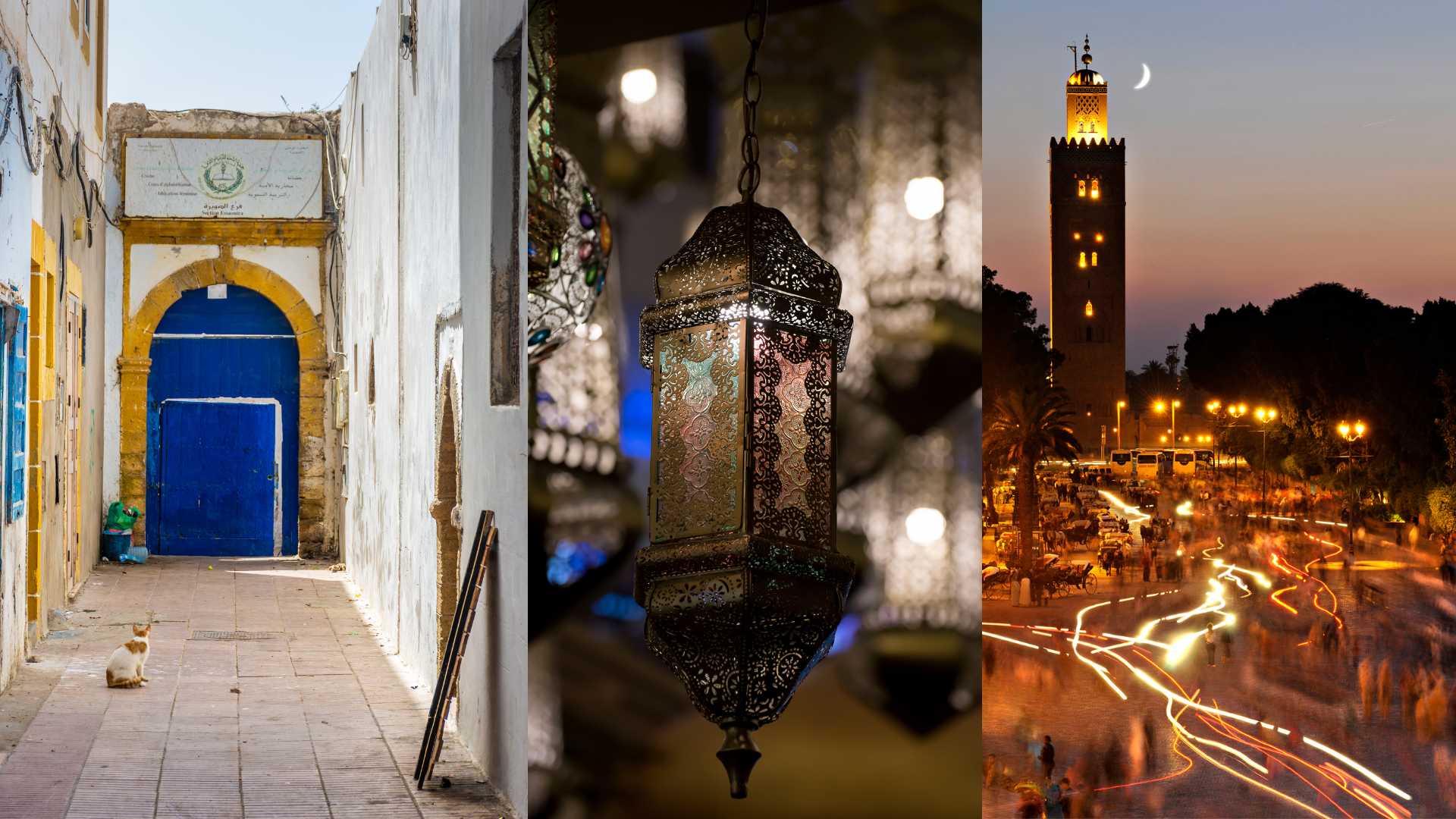
Morocco, a country with a rich cultural heritage, celebrates the New Year in unique ways, blending traditional practices with modern festivities. While the Gregorian New Year is observed with enthusiasm, the Amazigh (Berber) New Yearis a significant cultural event, deeply rooted in the country’s history.

The Berber culture is an integral part of Morocco’s identity, and the Amazigh New Year, also known as Yennayer, is a celebration that reflects the country’s diverse heritage. In this article, we will explore the fascinating ways Morocco celebrates the start of a new year, delving into the traditions, customs, and festivities that make these occasions special.
In Morocco, the arrival of the New Year is marked by dual celebrations that reflect the country’s diverse cultural heritage. This unique blend of traditions is a testament to Morocco’s rich history and its ability to embrace both global and local customs.
The Gregorian New Year, celebrated on January 1st, is observed with great enthusiasm in Morocco, particularly in urban areas like Casablanca and Marrakech. Many Moroccans welcome the New Year with family gatherings, feasts, and fireworks, mirroring the global traditions of this international celebration.
Some key aspects of Gregorian New Year celebrations in Morocco include:
On January 12th, Morocco celebrates the Amazigh New Year, also known as Yennayer, which is deeply rooted in the country’s Berber heritage. Yennayer marks the beginning of the agricultural year and is associated with various traditional practices and rituals.
Understanding the historical context of New Year in Morocco requires exploring both traditional and colonial influences. Morocco’s unique cultural landscape has been shaped by various factors, including its indigenous Berber culture and the impact of French colonization.
Yennayer, celebrated on January 12th, has its roots in ancient Berber traditions. The Berbers, indigenous to North Africa, have a rich cultural heritage that predates Arab and French influences. Yennayer marks the beginning of the agricultural year and is closely tied to the solar calendar.
The celebration is associated with various agricultural and seasonal rituals, reflecting the community’s dependence on farming. The Berber culture’s strong connection to the land and the changing seasons is evident in the festivities and customs surrounding Yennayer.
| Aspect | Description |
|---|---|
| Date | January 12th |
| Cultural Significance | Marks the beginning of the agricultural year |
| Rituals | Agricultural and seasonal rituals |
The introduction of the Gregorian calendar by French colonizers brought January 1st celebrations to Morocco. This influenced the way Moroccans perceive and celebrate the New Year, creating a dual celebration that includes both January 1st and Yennayer.
French colonization had a profound impact on Moroccan culture, introducing new customs and practices. The adoption of January 1st as a New Year’s celebration reflects the complex cultural dynamics at play in Morocco.
The blend of these two New Year celebrations showcases Morocco’s rich cultural diversity and its ability to integrate different traditions.
As the New Year approaches, Moroccan homes undergo a transformation, filled with preparations that blend tradition with modern festivities. The atmosphere is filled with excitement and anticipation as families ready themselves for the celebrations.
Moroccan homes are thoroughly cleaned and decorated in the days leading up to New Year’s Eve. This tradition is believed to sweep away the old and bring in the new, filled with good fortune. Homes are adorned with colorful decorations, including lights, flowers, and traditional Moroccan motifs.
Shopping becomes a significant activity as families purchase new clothes, gifts, and ingredients for traditional dishes. Moroccan markets, or souks, are bustling with people buying goods for the celebrations. The vibrant market scenes add to the festive atmosphere, with vendors selling everything needed for a joyous New Year’s celebration.
Family gatherings are an essential part of Moroccan New Year’s celebrations. Families make arrangements to come together, often hosting or attending large gatherings. These events are filled with traditional foods, music, and warmth, strengthening family bonds and creating lasting memories.
The preparations for New Year’s Eve in Moroccan homes are a testament to the country’s rich cultural heritage and the importance of family and tradition. As the clock strikes midnight, Moroccans welcome the New Year with hope, joy, and a deep connection to their roots.
Yennayer, the Amazigh New Year, marks an important date in the Berber calendar, reflecting the community’s agricultural and cultural roots. This celebration is deeply ingrained in the traditions of the Amazigh people, who have preserved their unique cultural identity through centuries.
The Amazigh New Year is celebrated on January 12th, marking the beginning of the agricultural year in the Berber calendar. This date is significant as it coincides with the Julian calendar’s New Year, highlighting the historical connection between the Berber culture and ancient agricultural practices.
The celebration on January 12th is not just a date on the calendar; it represents the resilience and continuity of the Amazigh cultural heritage in the face of historical changes and modernization.
The Amazigh New Year is closely tied to agricultural cycles and seasonal changes. It marks the period when farmers prepare for the new agricultural season, symbolizing renewal and the hope for a fruitful year.
Traditional practices during Yennayer include rituals to ensure fertility and prosperity, reflecting the community’s dependence on agriculture. These customs underscore the deep connection between the Amazigh people and their land.
During Yennayer, various symbolic rituals are performed, including traditional dances, music, and the preparation of special dishes. These practices are not only a celebration of the New Year but also a reaffirmation of the community’s cultural identity.
The rituals often involve symbolic acts to ward off evil spirits and to bring good fortune in the coming year. These customs are passed down through generations, maintaining the rich cultural tapestry of the Amazigh community.
The New Year in Morocco is ushered in with a variety of festive foods that reflect the country’s cultural heritage. The culinary traditions associated with both the Gregorian New Year on January 1st and the Amazigh New Year (Yennayer) are rich and diverse, showcasing the country’s gastronomic wealth.
On January 1st, Moroccans prepare special dishes that are often a blend of traditional and modern cuisine. One of the popular dishes is Tagine, a slow-cooked stew named after the earthenware pot in which it is cooked. The tagine is typically made with meat, vegetables, and dried fruits, reflecting the rich culinary heritage of Morocco. Additionally, dishes like Msemen (a type of pancake) and Briouats (meat or cheese pastries) are also commonly served during New Year celebrations.
| Dish | Description |
|---|---|
| Tagine | Slow-cooked stew with meat, vegetables, and dried fruits |
| Msemen | Traditional Moroccan pancake |
| Briouats | Meat or cheese pastries |
The Amazigh New Year, celebrated on January 12th, is marked with traditional meals that have been passed down through generations. One of the significant dishes is Couscous, often served with vegetables and meat. The preparation of couscous is a communal activity that brings families together, symbolizing unity and prosperity. Other traditional dishes include Harsha (a hearty soup) and various grilled meats.
“The preparation and sharing of meals during Yennayer is a way of honoring our ancestors and celebrating the cycle of life.” – An Amazigh proverb
Morocco’s diverse regions each have their unique culinary traditions and variations during the New Year celebrations. In the coastal regions, seafood dishes are more prevalent, while in the mountainous areas, hearty stews and soups are favored. The desert regions have their own specialties, such as dishes made with dates and camel meat. This regional diversity adds to the richness of Moroccan cuisine during the New Year.
From modern metropolises to ancient medinas, Morocco’s cities celebrate the New Year with gusto, blending traditional and contemporary festivities.
Casablanca, Morocco’s economic hub, celebrates the New Year with modern flair. The city’s nightclubs and hotels host elaborate parties, attracting revelers from across the country. Fireworks light up the sky, and the sound of music fills the air as Casablanca welcomes the New Year.
Marrakech, known for its rich cultural heritage, offers a unique blend of traditional and modern New Year celebrations. The city’s historic medina comes alive with street performers and food stalls. Meanwhile, upscale hotels and resorts host sophisticated New Year’s Eve galas.
Rabat, the capital city, hosts official New Year celebrations, often including cultural events and ceremonies. The government and local authorities organize these events to promote national unity and cultural heritage. Traditional Moroccan cuisine is a highlight, with local delicacies served at various gatherings.
| City | Celebration Highlights | Unique Aspect |
|---|---|---|
| Casablanca | Modern parties, fireworks | Upscale nightclubs |
| Marrakech | Blend of traditional and modern festivities | Historic medina celebrations |
| Rabat | Official cultural events | Government-organized ceremonies |

In rural Morocco, the New Year is celebrated with unique traditions that reflect the country’s diverse cultural heritage. These celebrations are deeply rooted in local customs and are influenced by the region’s history, geography, and cultural identity.
Mountain villages in Morocco have their own distinct ways of celebrating the New Year, often tied to agricultural cycles and traditional practices. The rugged terrain and relative isolation of these villages have preserved ancient customs that are still observed today.
In the Atlas Mountains, the New Year is marked with festivities that include traditional music, dancing, and communal feasting. The Berber communities here celebrate Yennayer, the Amazigh New Year, with rituals that have been passed down through generations.
The Rif Region has its own unique practices, with a focus on agricultural renewal and the blessing of the land. The celebrations here are characterized by traditional songs and the sharing of local dishes.
Coastal towns in Morocco also have their own way of celebrating the New Year, often blending traditional practices with modern festivities. These celebrations are influenced by the towns’ maritime culture and their historical connections with other parts of the world.
The diversity of New Year celebrations in rural Morocco highlights the country’s rich cultural tapestry and the importance of preserving traditional practices in the face of modernization.
The New Year celebrations in Morocco are a vibrant display of the country’s rich cultural heritage, with music and dance playing a central role. As the country welcomes the New Year, various traditional and modern musical performances take center stage, reflecting Morocco’s diverse cultural landscape.
Traditional Moroccan music is characterized by the use of unique instruments such as the oud, qraqeb, and bendir. These instruments are often featured in performances during New Year celebrations, adding to the festive atmosphere.
The Ahwash dance is a traditional Berber performance that involves rhythmic chanting and dancing. It is typically performed during cultural festivals and celebrations, including the New Year, symbolizing community and unity.
Gnawa music, with its roots in sub-Saharan African traditions, has a significant influence on Moroccan music. During New Year festivities, Gnawa performances are common, featuring the iconic guembri instrument and energetic dance routines.
In addition to traditional performances, modern music events are also a highlight of Morocco’s New Year celebrations. Major cities like Casablanca and Marrakech host concerts featuring contemporary Moroccan artists, blending traditional rhythms with modern styles.
As Morocco welcomes the New Year, the interplay between religious and cultural practices becomes evident. The country’s religious landscape is predominantly Islamic, and this has a significant impact on how the New Year is observed.
The Islamic calendar, which is a lunar calendar, plays a crucial role in determining religious events and celebrations in Morocco. Unlike the Gregorian calendar, which is solar, the Islamic calendar is about 11 days shorter. This means that Islamic holidays, including the New Year, fall on different dates each year on the Gregorian calendar. The Islamic New Year, also known as Hijri New Year, commemorates the migration of the Prophet Muhammad from Mecca to Medina and is a significant religious event.
The Islamic calendar’s influence on daily life in Morocco is profound, affecting fasting during Ramadan, the timing of Eid celebrations, and daily prayers. Understanding the Islamic calendar is essential to grasping the religious context of New Year celebrations in Morocco.
In Morocco, religious and cultural celebrations coexist harmoniously. While the Islamic calendar dictates the timing of religious events, cultural practices and traditions are deeply intertwined with these religious observances. The celebration of the Gregorian New Year on January 1st is also observed, particularly among the more modern and secular segments of society.
The blend of religious and cultural practices during the New Year in Morocco creates a unique and vibrant cultural landscape. This coexistence is a testament to the country’s rich cultural heritage and its ability to embrace both traditional and modern ways of celebrating.
As the clock strikes midnight on New Year’s Eve, Moroccans engage in various symbolic rituals and superstitions to usher in good fortune. The New Year is a time of renewal and hope, filled with customs that are both deeply rooted in tradition and influenced by modern practices.
In Morocco, good luck rituals are an integral part of New Year celebrations. Many people believe that the first day of the year sets the tone for the next 12 months. To attract good fortune, Moroccans often perform rituals such as wearing new clothes, consuming specific foods like dates or honey, and engaging in acts of charity.
Traditional symbols play a significant role in Moroccan New Year celebrations. For instance, the number five is considered auspicious, and people often give gifts in multiples of five. Other symbols include candles, which represent light and guidance, and certain colors like green, which symbolizes prosperity.
Gift-giving is a cherished practice during the New Year in Morocco. People exchange gifts, often with symbolic meanings, to strengthen bonds and wish each other well. Traditional gifts might include items like intricately crafted handicrafts or sweets, which are not only pleasing but also carry cultural significance.
These practices, rich in symbolism and superstition, highlight the cultural depth and diversity of Moroccan New Year celebrations, making the occasion a truly unique experience.
For travelers, Morocco is an exciting destination to ring in the New Year, with its rich cultural heritage on full display. The country’s unique blend of traditional and modern celebrations offers tourists an unforgettable experience.
Tourists flock to major cities like Marrakech and Casablanca to experience the vibrant New Year’s Eve celebrations. These cities offer a range of events, from traditional music and dance performances to modern fireworks displays.
Many hotels and tour operators offer special New Year’s Eve packages, including gala dinners, guided tours, and exclusive access to cultural events. These packages cater to various interests and preferences, ensuring that tourists can choose the experience that suits them best.
When celebrating New Year’s Eve in Morocco, tourists should be mindful of local customs and traditions. Dressing modestly and respecting local norms can enhance the experience and foster positive interactions with the local community.
The intersection of tradition and modernity is redefining Morocco’s New Year observances. As the country becomes more integrated into the global community, various modern influences are shaping the way Moroccans celebrate this significant occasion.
Globalization has brought about a significant shift in Morocco’s New Year celebrations. The influx of international cultural practices has led to a blending of traditions. For instance, the adoption of Western-style New Year’s Eve parties has become more prevalent, especially among younger generations. According to recent studies, there’s been a notable increase in the number of Moroccans participating in countdown parties and fireworks displays, mirroring global New Year’s Eve traditions.

Social media has emerged as a significant factor in shaping New Year celebrations in Morocco. Platforms like Facebook and Instagram are being used to share New Year’s greetings, wishes, and experiences. This digital shift has not only changed how people connect during the celebrations but has also influenced the way they observe traditional customs. For example, many Moroccans now use social media to broadcast their New Year’s Eve festivities, creating a blend of traditional and modern practices.
Generational differences are also playing a crucial role in shaping New Year celebrations in Morocco. Younger generations tend to embrace more modern and globalized practices, while older generations often stick to traditional customs. This divergence has led to a diverse and dynamic celebratory landscape, with different age groups contributing their unique perspectives to the overall cultural tapestry of the New Year festivities.
The global Moroccan diaspora marks the New Year with festivities that honor their heritage. As Moroccans living abroad come together to celebrate, they blend traditional customs with local influences, creating unique New Year experiences.
In European cities like Paris and Amsterdam, Moroccan communities organize cultural events that reflect their rich heritage. These events often include:
Such celebrations not only bring the community together but also serve as a bridge between Moroccan culture and the local culture.
In North America, Moroccan communities in cities like New York and Montreal maintain their cultural identity through New Year celebrations. These communities often:
These traditions highlight the resilience and adaptability of the Moroccan diaspora in preserving their cultural heritage abroad.
The New Year celebrations in Morocco are a vibrant reflection of the country’s rich cultural heritage. The dual celebrations of January 1st and Yennayer on January 12th showcase the blend of modern and traditional practices. This unique blend is a testament to Morocco’s enduring traditions and its ability to adapt to changing times while preserving its cultural identity.
The New Year spirit in Morocco is characterized by a deep connection to family, community, and cultural roots. As Moroccans around the world celebrate the start of a new year, they carry with them the values and customs that have been passed down through generations. The festivities are a time for renewal, hope, and joy, embodying the essence of Moroccan culture.
In Morocco, the New Year is not just a celebration; it’s an experience that weaves together tradition, community, and the country’s diverse cultural landscape. As we look to the future, it’s clear that the New Year spirit will continue to thrive, reflecting the country’s enduring traditions and its people’s warmth and hospitality.
Yennayer, celebrated on January 12th, marks the beginning of the Amazigh New Year and is deeply rooted in Berber culture and agricultural cycles.
Preparations include home decorations, traditional cleaning rituals, shopping for celebrations, and arranging family gatherings, showcasing the cultural and social aspects of these preparations.
Special dishes vary, but they often include traditional Moroccan cuisine such as tagines and pastilla, reflecting the country’s rich culinary heritage.
Cities like Casablanca and Marrakech blend modern and traditional festivities, with events ranging from fireworks displays to cultural performances.
Music and dance play a significant role, with traditional performances like Ahwash dance ceremonies and Gnawa music, alongside modern music events and concerts.
The Islamic calendar is considered in the context of cultural celebrations, with an understanding that the Gregorian New Year and Yennayer are separate from Islamic holidays.
Good luck rituals include practices like wearing new clothes, consuming specific foods, and participating in symbolic rituals to usher in good fortune.
Tourists can enjoy New Year’s Eve in popular destinations, participate in special events and packages, and are advised to respect local cultural etiquette.
Globalization has introduced new influences, with social media and changing celebration patterns affecting how Moroccans celebrate the New Year.
Moroccan diaspora communities in Europe and North America maintain and adapt their traditions, often blending their cultural heritage with local customs.